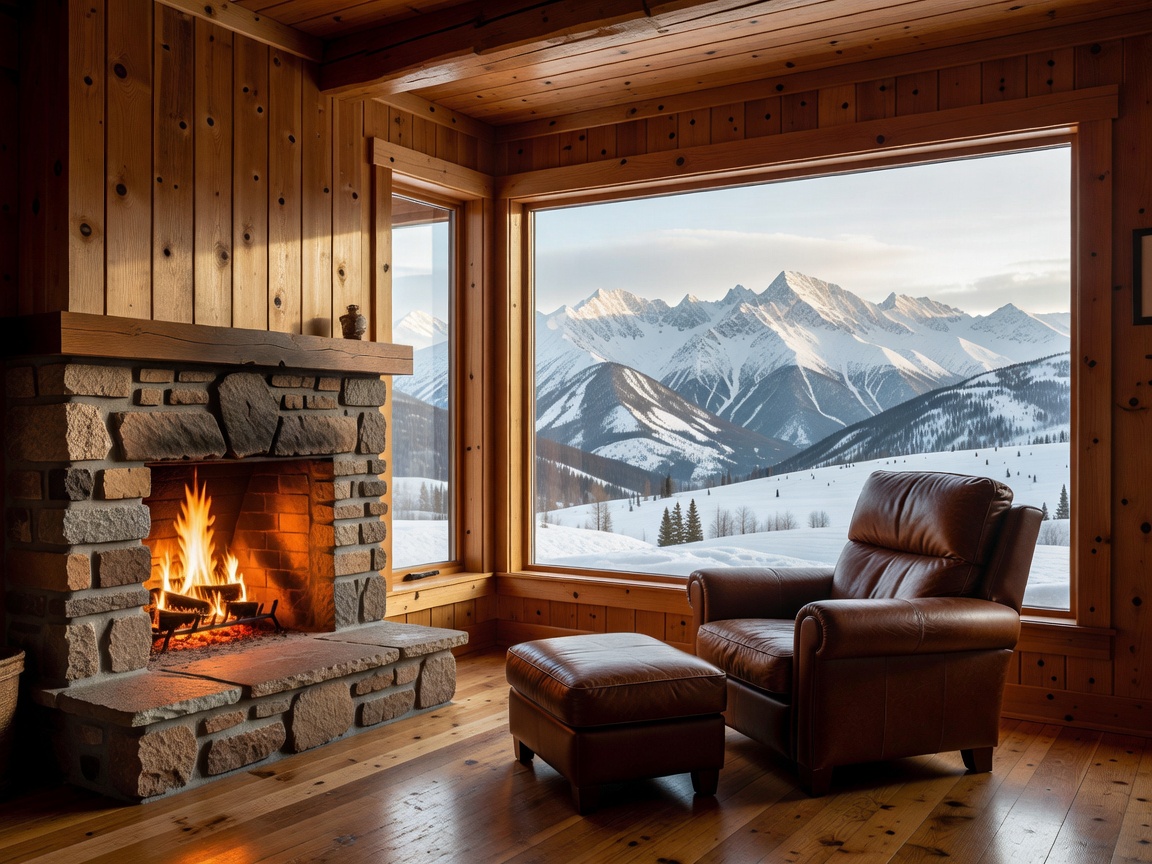
Come down gradually
After skiing, snowboarding or a long walk, start with ordinary comforts: dry clothes, water, food and a little time to sit down. Thermal bathing can be a pleasant part of that transition, but it doesn’t need to be immediate or intense. Follow facility guidance, take breaks and notice how you feel rather than trying to complete a ritual perfectly.
Gentle movement may help you feel less stiff after being in one position or carrying equipment. Easy walking, relaxed mobility or light stretching can fit into an evening; keep the range comfortable and avoid forcing anything. If pain, illness or a persistent concern is involved, seek appropriate professional advice rather than treating a holiday routine as a solution.
Build a comfortable evening
Accommodation matters. A place with equipment storage, a warm drying area, a quiet bedroom and easy access to food removes friction after a cold day. A kitchenette can help with flexible meals, while a central location may make dinner easier. Neither is universally better; compare the effort of getting home with the atmosphere you want.
Try a low-decision sequence: shower or thermal session, comfortable clothes, a balanced meal, water, dimmer light and a screen-free pause if that feels good. Sleep can be affected by travel, altitude, excitement and unfamiliar surroundings, so avoid filling the evening with errands and appointments. The mountain will still be there in the morning.
Fuel the rhythm
Regular meals and snacks are practical when you’re outdoors in cold weather. Combine foods you enjoy with enough fluid, and remember that thirst can be less obvious in winter. Carry something easy during longer outings and plan where a warm drink or meal might fit. There’s no need to turn the trip into a nutrition project; consistency is usually more useful than novelty.
Alternate effort and ease
One demanding day followed by a lighter day can make sense, particularly for mixed-ability groups. A recovery day could include a short walk, thermal water, a leisurely lunch or simply a view from a window. Keep plans optional where possible. Over-scheduling can turn wellness into another task list, complete with its own tiny clipboard of guilt.
Recovery is personal and changeable. Pay attention to energy, sleep and comfort, adapt the next day and use local safety guidance for outdoor activities. A restorative mountain trip is not the one with the most packed calendar; it’s the one that leaves enough space to enjoy being there.